In New Bedford, a well-maintained fence not only enhances the curb appeal of your property but also provides security and privacy. However, fences often face common issues like rot, damage from harsh weather, or inadequate installation. This article guides you through understanding these problems, exploring the advantages of professional repair services, and selecting the perfect installation company for your needs. We’ll delve into various fence types suitable for New Bedford’s climate, detail the installation process, and offer maintenance tips to ensure your new fence stands the test of time.
- Understanding Common Fence Issues in New Bedford
- Benefits of Professional Fence Repair Services
- Choosing the Right Fence Installation Company
- Types of Fences for Your New Bedford Property
- The Step-by-Step Fence Installation Process
- Tips for Maintaining Your New Fence
Understanding Common Fence Issues in New Bedford
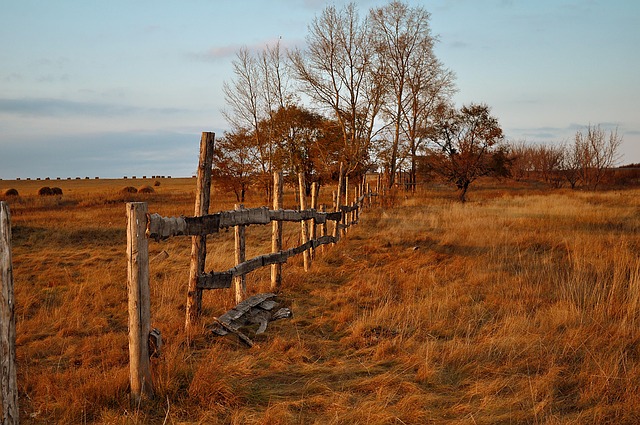
Fences in New Bedford, like anywhere, face a range of common issues due to environmental factors and everyday wear and tear. One of the most frequent problems is rot, particularly in areas with high moisture levels or where wooden fences are not properly treated. This can lead to weak posts, warped panels, and even structural failure if left unattended. Another prevalent issue is damage from storms and extreme weather, which can range from broken boards to entirely uprooted fences.
Weed growth and pest infestations also pose significant challenges. Vines and shrubs can quickly overrun fence lines, weakening the overall structure and requiring regular trimming or removal. Termites and other pests can cause substantial damage if not detected early, making regular inspections crucial for maintaining fence integrity. Understanding these common issues allows homeowners and property managers in New Bedford to take preventive measures and choose appropriate repair or replacement strategies when needed.
Benefits of Professional Fence Repair Services
Hiring professional fence repair services offers numerous advantages for homeowners. One of the primary benefits is their expertise and skill in handling various fence issues, from damaged panels to loose posts. These professionals have the tools and knowledge to assess the problem accurately, ensuring long-lasting repairs that can prevent future damage.
Additionally, professional services provide peace of mind. They guarantee quality work, using high-grade materials to restore your fence’s structural integrity. This reduces the risk of accidents or security breaches caused by faulty fencing. Regular maintenance and prompt repairs can also increase the lifespan of your fence, saving you money in the long run by avoiding costly replacements.
Choosing the Right Fence Installation Company
When considering fence installation or repair, selecting the right company is paramount to ensure you get a durable and aesthetically pleasing result. Researching local options is the first step; look for businesses with established reputations and positive customer reviews. Inquire about their experience, the types of fences they specialize in, and the products they use. Reputable companies will offer transparent pricing and warranties, providing peace of mind.
Additionally, consider the company’s commitment to quality and customer service. On-site consultations are valuable as they allow professionals to assess your property and offer tailored solutions. A good fence installation company should also be licensed and insured, guaranteeing professional workmanship and protecting you from potential liabilities.
Types of Fences for Your New Bedford Property
When considering fence repair or installation in New Bedford, the first step is to choose from a variety of fence types designed to suit different needs and preferences. Wood fences are popular for their classic appeal and ability to enhance the curb appeal of your property. They require regular maintenance but offer a natural look that many homeowners appreciate. On the other hand, chain-link fences provide security and durability, making them ideal for properties with children or pets that need outdoor play areas. These fences are less expensive than wood but may not be as aesthetically pleasing.
For those seeking a modern and low-maintenance option, vinyl fencing is an excellent choice. It’s available in various styles and colors, offering both functionality and visual appeal. Concrete fences are another long-lasting option known for their strength and resistance to damage, making them suitable for high-traffic areas or where security is paramount. Each type of fence has its advantages, so selecting the right one depends on factors like your budget, desired aesthetics, and specific security or privacy requirements.
The Step-by-Step Fence Installation Process
The initial stage of fence installation involves assessing your property and choosing the perfect fence design to match your needs and aesthetics. Measurements are then taken, taking into account any unique terrain features or regulations. Once approved, the site is prepared by clearing the area and ensuring a solid foundation for the fence posts. Holes are dug, and metal posts are set in concrete, providing a sturdy base.
The next steps include attaching the fence panels to the posts, ensuring they’re level and secure. This process involves using specific hardware and tools to create a strong connection. After all panels are in place, gates and any additional accessories like latches or locking mechanisms are installed. Finally, a thorough inspection is conducted to guarantee the fence meets safety standards and looks pristine before being officially declared complete.
Tips for Maintaining Your New Fence
Keeping your new fence in top condition will ensure it serves your property well for years to come. Regular cleaning is a good starting point; brushing away leaves, dirt, and other debris prevents buildup that can weaken the fence over time. Use a soft-bristled brush or garden hose for gentle yet effective cleaning.
Inspecting your fence periodically for any signs of damage is another vital maintenance step. Repair small issues immediately to avoid them escalating. Keep an eye out for loose or broken boards, posts that are leaning, or rusted hardware, and address these problems promptly using suitable repair kits or professional help if needed.