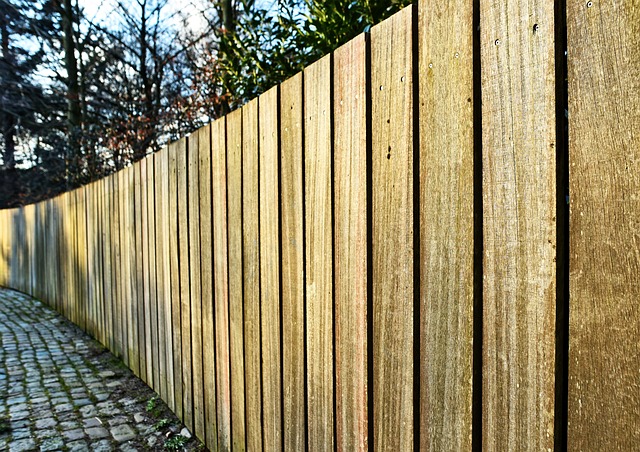
When securing expansive properties, discerning the most cost-effective fencing solutions is paramount. This article navigates through the critical aspects of selecting a fence that balances security, privacy, and budgetary constraints for large landholders. We delve into the myriad of material options available, each offering distinct advantages in terms of longevity, aesthetic appeal, and cost-efficiency. Furthermore, we compare professional installation against DIY approaches to determine which route minimizes expenses without compromising quality. Lastly, we outline effective maintenance strategies that ensure your investment remains economical over time. With these insights, large property owners can make informed decisions tailored to their specific fencing needs.
- Evaluating Your Property's Fencing Needs
- Budget-Friendly Material Options for Large Properties
- Professional Installation vs. DIY: Cost Analysis
- Long-Term Maintenance Strategies to Maintain Affordability
Evaluating Your Property's Fencing Needs
When assessing your large property’s fencing needs, it’s crucial to consider several factors to ensure the solution is both cost-effective and meets your specific requirements. Begin by evaluating the purpose of the fence; whether it’s for privacy, security, containment of livestock, or defining boundaries, this will guide the choice of materials and design. Assess the terrain and environmental conditions as well. Rough or hilly landscapes may necessitate more robust foundations or flexible fencing materials that can adapt to uneven ground without excessive maintenance. Similarly, exposure to salty sea air, heavy snowfall, or frequent high winds will influence the choice of durable, weather-resistant materials.
The size and shape of your property also play a significant role. Long, straight borders may be best served by materials like chain link or high-tensile wire fencing, while more complex boundaries might require a combination of materials and innovative design solutions to cost-effectively cover the area without compromising on quality. Additionally, consider the aesthetic you desire; some solutions like railroad ties or cedar planks can provide both functionality and visual appeal. Always account for future maintenance requirements and the potential for growth or change in your property’s use. By carefully analyzing these elements, you can select a fencing solution that is tailored to your large property’s specific needs, ensuring both longevity and economic efficiency.
Budget-Friendly Material Options for Large Properties
When considering cost-effective fencing solutions for large properties, it’s crucial to evaluate a range of materials that offer both durability and value for money. High tensile steel is often an economical choice, providing robust security with minimal maintenance requirements. It’s available in various styles, including horizontal and vertical bar designs, to complement the aesthetic of the property while deterring potential intruders. Another budget-friendly option is chain link fencing, known for its strength and longevity, and it can be coated with a weather-resistant paint to enhance its lifespan.
Wooden fences, particularly those constructed from treated pine or spruce, are another viable option. They offer a traditional look that can be customized to fit the property’s architecture. When maintained properly, wood fences can last for decades, and with advances in treatment and engineering, they have become more resistant to weather and pests. Additionally, composite woods and vinyl are gaining popularity as eco-friendly alternatives that provide the classic look of wood with less environmental impact and greater longevity. These materials require minimal upkeep and can mimic the appearance of natural wood without the same level of maintenance. Each of these options should be carefully considered based on the specific needs, local climate conditions, and soil types of the large property in question.
Professional Installation vs. DIY: Cost Analysis
When considering cost-effective fencing solutions for large properties, a key decision lies between professional installation and a do-it-yourself (DIY) approach. Both options come with their own financial implications that extend beyond the initial investment in materials. Professional installation typically involves a higher upfront cost due to labor expenses, but it ensures expert execution, compliance with local regulations, and often, a warranty or guarantee. This can lead to long-term savings by reducing the likelihood of installation errors, which might necessitate expensive corrective work down the line. On the other hand, a DIY project may seem initially cheaper as you eliminate labor costs, but it requires a careful consideration of time investment, potential tool purchases or rentals, and the learning curve associated with proper fencing techniques. Additionally, any mistakes made during a DIY installation could result in additional costs if corrections are needed. It’s important to weigh the trade-offs between professional precision and personal effort, as the best choice for cost-effectiveness will vary based on individual skill levels, local market rates, and the specific type of fencing being installed. A thorough cost analysis should include all potential expenses, from materials and labor to time and future maintenance, to ensure that the chosen route aligns with your financial goals and the scale of the property in question.
Long-Term Maintenance Strategies to Maintain Affordability
Implementing long-term maintenance strategies is pivotal for sustaining the affordability of fencing solutions on large properties. Regular inspection and timely repairs can prevent minor issues from escalating into costly repairs. For instance, scheduling annual checks for wood fences to address rot or splintering can extend their lifespan. Similarly, for chain link or steel fences, routine inspections can detect signs of rust or wear, allowing for prompt maintenance that maintains structural integrity without significant investment. Employing durable materials designed for harsh weather conditions can also reduce the frequency and cost of maintenance over time. Additionally, employing a routine cleaning schedule and treating wooden or metal surfaces with protective coatings can shield them from environmental damage, thereby reducing long-term costs. Landscaping around the fence to protect it from direct sunlight and wind can further enhance its longevity. By prioritizing preventive maintenance and choosing materials that are both cost-effective and resilient, property owners can ensure their fencing remains a financially sound investment for years to come.